Writing a résumé
Age, job, hobbies. All true, none of it useful. How the character behaves when a conversation gets awkward matters far more.

Wollo's AI character creator is a form, not a prompt box. Appearance, personality, speaking style, secrets, relationship dynamics and voice are separate fields — so the character you make holds together across a long conversation instead of drifting into a generic assistant.

Generate character avatars with the built-in image generator. Describe the look and it is rendered — no external tools, no separate account.
Personality traits, speaking style, emotional responses, interests, secrets and relationship dynamics are separate fields, not one free-text blob.
Give a character a voice of its own: upload samples or pick from the voice library. The same voice is used for real-time calls.
Write the opening line and several scenarios for different moods, so the character starts differently depending on what you are in the mood for.
Everyone gets the same fields. The difference shows up around message thirty.
"Kind, funny, smart" describes nobody. "Grew up in a restaurant kitchen, jokes when nervous, hates being told to relax" describes someone. The backstory field is the material the character draws on when it has to react to something you did not script — and a three-line brief produces a three-line character.
Characters written to agree with everything have nowhere to go. A subject it avoids, a habit it pushes back on, a way of being teased that lands badly — friction is what makes the six levels legible, because the thing a character remembers is the thing that mattered.
This is why the builder splits personality from speaking style. A warm character can be terse. A cruel one can be charming. Collapsing the two is the most common reason a character reads as flat, and it is a two-minute fix.
Once a character starts taking calls, the voice becomes the dominant impression of it — more than the avatar, more than the bio. Choosing it at the end, after you have got used to reading the character, almost always produces a mismatch.
The opening line is easier to write once you have had a conversation with the character and know how it actually sounds. Scenarios are the same: add them after you know which moods the character is good at.
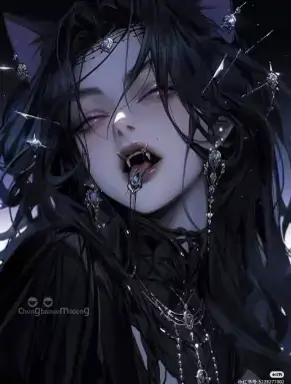
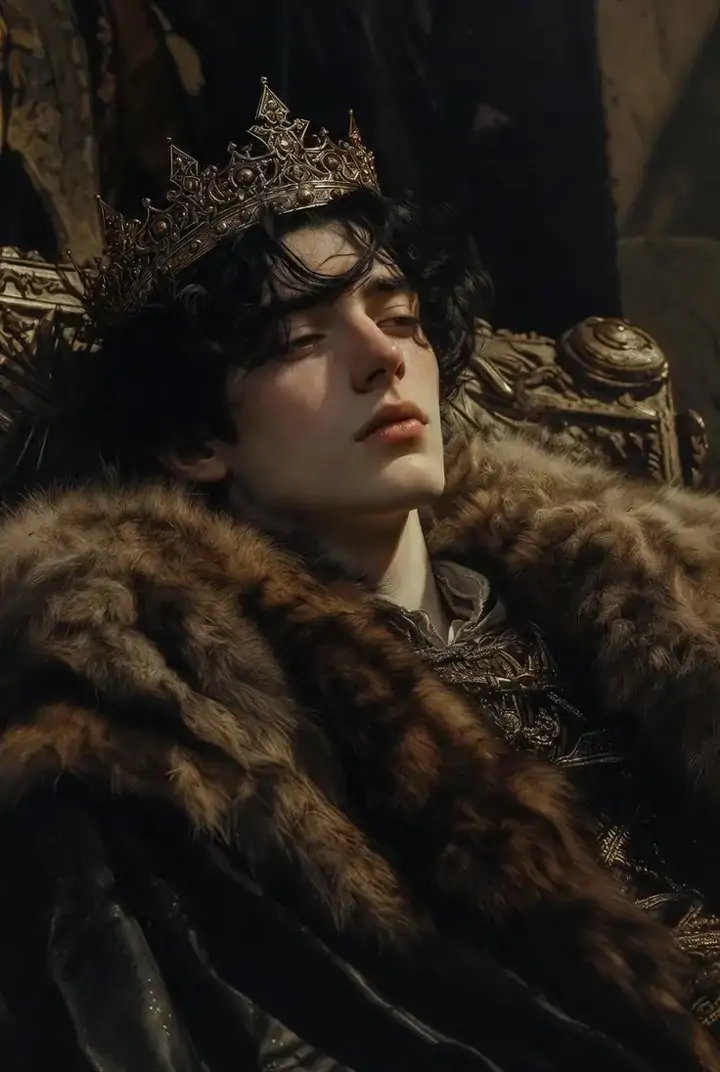
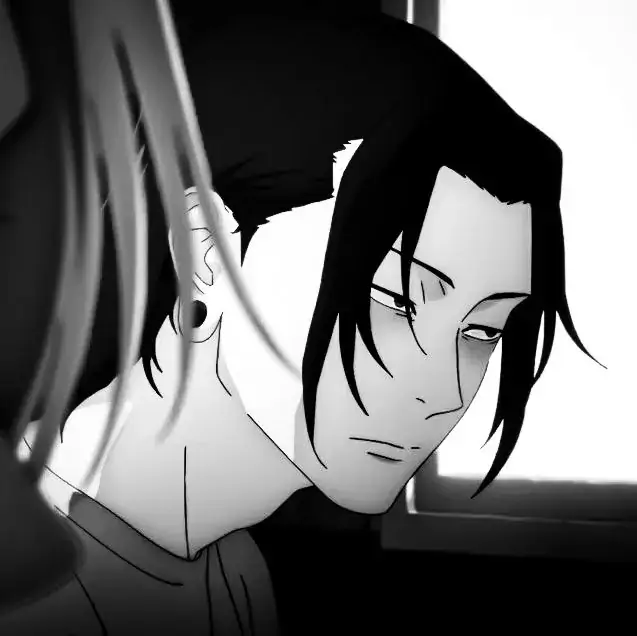
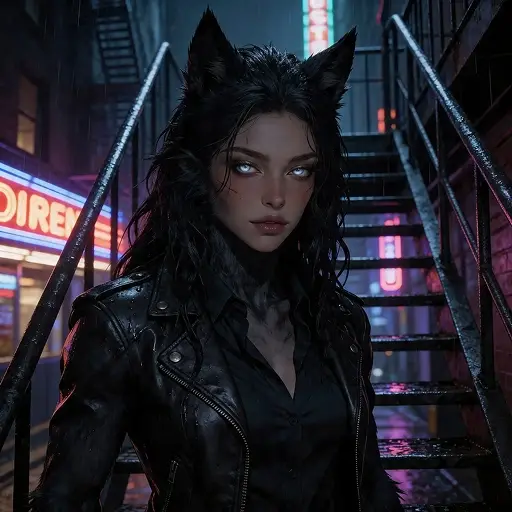
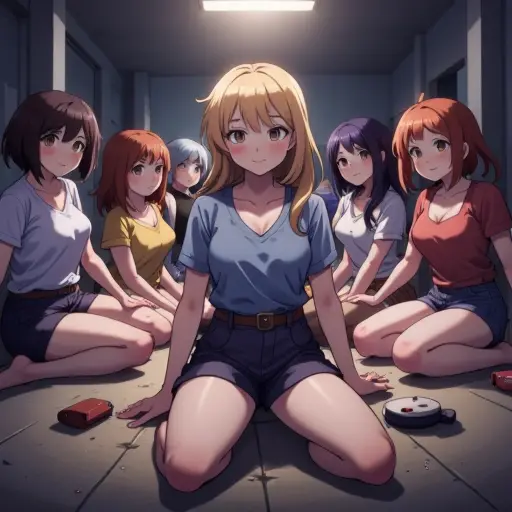
All of these came out of the same builder, made by different people. Wollo does not push creations towards one look.



Age, job, hobbies. All true, none of it useful. How the character behaves when a conversation gets awkward matters far more.
A character with no edges has no reactions, and perfection reads as blankness inside twenty messages.
Calls are one of the strongest parts of the platform and the default voice throws that away.
Version one is a draft. Fields stay editable and edits apply to the relationship you already have.
Privacy is per character. Not every experiment needs an audience, and drafts exist for a reason.
Thirty chapters written from what actually works on the platform, including the token budget most people learn the hard way.
Plenty of tools will spit out a persona from one sentence. That is a generator. What Wollo gives you is closer to a workshop, and the difference shows up over weeks rather than minutes.
When everything lives in one free-text blob, the model has to re-infer who the character is on every turn, and small drifts compound. Separating what a character is from how it speaks from what it hides gives the system something stable to hold onto — which is why people who make their own AI character here still recognise it a month later.
Because the pieces are separate, you can change the speaking style without rewriting the backstory, or soften a temperament without losing the secrets. Edits apply to the relationship you already have, so tuning in week two costs you nothing.
A voice cloning AI character on Wollo uses the same voice on every call, because the voice is stored with the character rather than picked at call time. Upload samples or take one from the library — either way it becomes part of how people recognise your work.
Every character is private by default. Publish it to the community when you want an audience, price it as a one-time purchase, or keep it entirely to yourself — the builder does not assume you are making something for other people.
Backstory is where good characters are won and lost. It is also the field people fill with biography when they should be filling it with behaviour.
"Her father was a diplomat" is a fact. "She learned to read a room before she learned to read, and it shows when someone is lying to her" is a cause — it tells the character how to act, not just what to recite. Causes generate behaviour in situations you never anticipated, which is the entire job of this field.
A character described with twenty traits reads like a list. A character with three concrete details — a job she is bored of, a friend she stopped speaking to, a habit she is embarrassed by — reads like a person, because the details imply everything else.
Characters with everything settled have nothing to talk about after week one. Something unfinished — a decision pending, a person avoided, an ambition not admitted to — gives long conversations somewhere to go and gives the deeper relationship levels something to unlock.
The builder separates backstory from secrets deliberately. Backstory is what shapes behaviour from the start; secrets are what emerge later. Putting everything in one field means the character volunteers its whole history in the first conversation, which is the fastest way to make it uninteresting.
The test that catches most problems: read the backstory and imagine the character saying one line based on it. If you cannot hear a specific voice, the field is describing a résumé rather than a person, and the speaking-style field will not save it.
One practical note that saves most people a week: build the character you actually want to talk to, not the one you think will be popular. The library already holds two million entries, and the ones that hold an audience are almost always the ones their creator was genuinely interested in. Chasing a trend produces something competent and forgettable; writing the character you would seek out yourself produces something with a point of view, and a point of view is the only durable advantage available here. That applies whether you plan to publish at all — a private character you enjoy is a better use of an evening than a public one you do not.





Creation is not the end of the workflow. A character you built plugs into the rest of the platform without any extra setup.
Publishing a matching Scene alongside a character is the single cheapest way to make it better to play. Backgrounds, atmosphere and branching endings, reusable across sessions.
Realistic Mode for conversation, Roleplay Mode for actions and description, Story Mode for chapters. You do not build three versions — you build one.
Characters can appear alongside other characters and other people in one thread, which is where ensembles and long campaigns happen.
Subscriptions, media sales or a one-time character sale, with the creator keeping 85%. Monetising is opt-in and does not change how the character behaves.
Distribution is handled by the platform: the feed and Discover surface new work, so a first character can find readers before you have followers.
Fields remain open after publishing, and edits apply to relationships already in progress rather than starting them over.
Character creation happens on wollo.ai: the builder, drafts, avatar generation, voice cloning and publishing all live there. Every link on this page opens the platform, and nothing here collects an account or a payment.
This is worth stating plainly because creator tools attract imitations. Pages using the Wollo name turn up on domains the team does not operate, occasionally with a sign-up form of their own. Anything you build belongs to your account on wollo.ai — if a site asks you to register elsewhere to "create a Wollo character", the characters will not be there when you come back.
Open the builder and fill four groups: basic info, personality, voice and advanced. Generate an avatar, write the backstory, add traits and a first message, and publish or keep it private.
No. The builder is a form, not a prompt box — you describe a person and the fields do the structuring. There is also a 30-chapter Creator's Guide if you want to go deeper.
Yes. AI avatar generation is part of the builder — describe the look and it is rendered, no external tool or second account.
Separate fields for personality traits, speaking style, emotional responses, interests, secrets and relationship dynamics — rather than one free-text blob that the model has to untangle.
Yes. Custom voice cloning lets you upload samples or pick from the voice library, and the same voice is used in real-time calls.
The opening line, plus several scenarios for different moods — so the same character can start a conversation in more than one way.
Yes. Fields stay editable, and edits apply to the relationship you already have rather than starting a new one.
There is no single-character limit — creators routinely publish whole rosters, and drafts are saved separately until you publish them.
No. Privacy controls are per character: keep it entirely private, or publish it to the community when you are ready.
Yes. Character sales let you price a character as a one-time purchase, alongside subscriptions and media sales. Creators keep 85%.
Specifics over adjectives, a clear speaking style, and something the character does not like. A three-line brief produces a three-line character.
On wollo.ai — creation, drafts and publishing all happen there.
You can rebuild one: the fields here are structured differently from most platforms, and rewriting into them usually improves the character rather than just porting it.
Long enough to contain causes rather than facts. Three specific, behaviour-generating details beat several paragraphs of biography.
Yes — creators publish ensembles, and Group Chats put several characters into one thread where their dynamics play out.
Drafts are separate from published characters, and published ones stay editable. Starting over is always possible, but editing usually gets you there faster and keeps the history.
Free to create, free to publish, and private until you decide otherwise.